
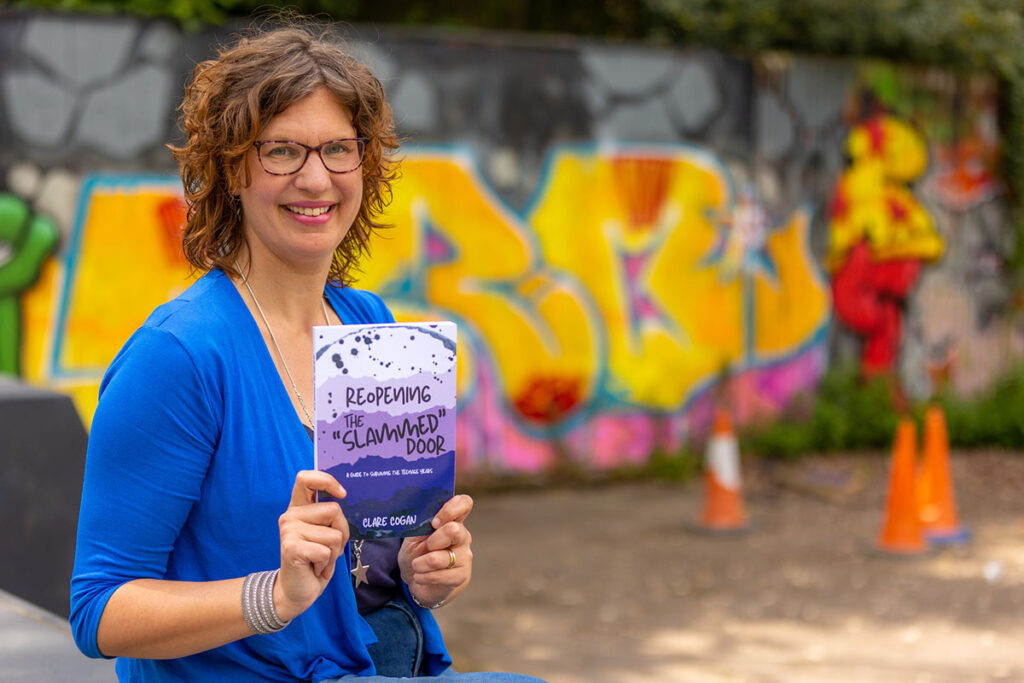
The quiet milestone of turning 20
Last week my oldest turned 20.
I am finding these “unofficial” milestones more significant than the ones we have inherited as ‘official’, 18 and 21. There is something about 20 that feels different, a phrase I have coined to describe it is ‘parenting emerging adults’. It quietly marks the end of the allocated teenage years, those turbulent times we assign to our children at 13 and decide should end at 19.
This transition often comes with an unspoken expectation of relief. As if once the teenage years are over, the hardest part of parenting is done.
I have long struggled with that narrative.
Questioning the teenage narrative
I do not like the stereotypes, the expectations, or the conditions we place on our adolescents during these years. If you have read my book, Reopening the Slammed Door, you will know that my work centres around helping parents understand how the teenage brain grows and evolves, and why awareness and sensitivity during this time matter far more than following a worn out story about “difficult teens”.
The changes our children go through do not simply switch off at 19. Development does not run on a neat timeline, and neither does emotional maturity.
Are young adults really ready for the world?
I also want to challenge the idea that, as young adults, our children are suddenly ready for the world.
From both personal and professional experience, this expectation can be damaging. Without guidance, being told you should now be independent, capable, and self sufficient can leave a young person feeling overwhelmed, inadequate, or lost. They won’t always recognise this themselves, or be able to put this into words for you to understand.
Parenting does not end at 16, 18, or 20. But it does change.
Parenting emerging adults requires a shift
Parenting emerging adults asks something different of us. We are required to step back and resist the urge to micromanage, to ‘let go’. At the same time, we are invited to stay connected. Complicated? Yep!
Letting go of the “I know best because I am your parent” mentality creates space for something far more powerful. A relationship built on trust, respect, and openness. This is often the moment when relationships can strengthen, if we allow them to.
Age does not equal self understanding
What I have come to recognise, watching this unfold in front of me, is that our children may have a number attached to the years they have been on this earth. That number often suggests a certain level of experience and understanding.
What many of them have not had, particularly those who have navigated a performative school system, is the space to truly understand themselves. To know who they are, and what they need, in order to move forward as independent adults.
The post pandemic impact we are not naming
The post pandemic world is still having an impact, where key foundations of teenage brain development were disrupted by others controlling what they did and where they did it.
That impact is still being felt. Yet very little of it is being acknowledged or supported.
Your role still matters
So my learning, and my message to you, is this. You still have an important role in your emerging adult child’s life.
Not as an instructor, but as a guide. A sounding board. A place they can come to land, to be, and to feel safe.
They still need us, just in a different way. Being conscious of that shift, while also recognising our own needs and emotions, matters too.
And having a 20 year old son means I have been parenting for two decades. That sounds like a lifetime, yet somehow feels like the blink of an eye.