
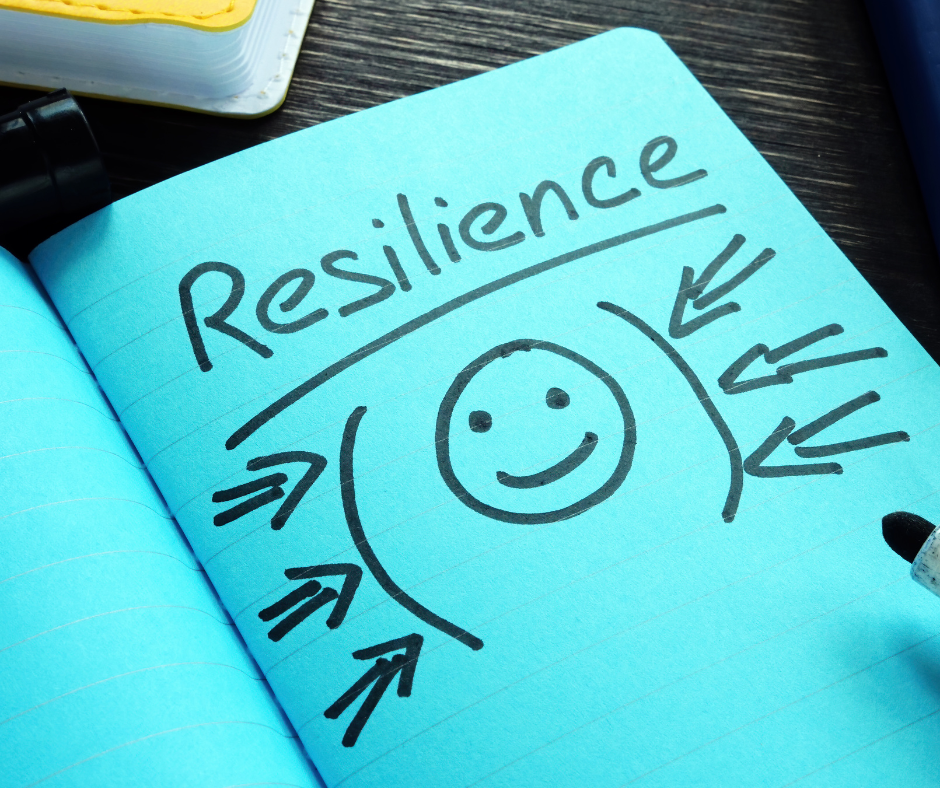
It’s a word which is used a lot, almost as a barometer for how well we ‘cope’ with life, and I am seeing it used more and more when we talk about how young people manage their everyday life, especially in relation to school attendance, performance and general everyday response to challenging situations.
To clarify, in the Oxford English Dictionary, resilience is defined as; ‘the capacity to recover quickly from difficulties; toughness.’
So, it means that we can experience difficult and challenging situations and ‘recover’ from them, and move on. I am frankly struggling right now with this term being used so freely without context or proper interpretation. I have heard parents describe their children as ‘resilient’ almost as a way of reassuring themselves that they are going to be okay with whatever life throws at them. What we have failed to incorporate into this much used term is the impact the past three years have had on our young people.
Here you go again, I hear you say, banging the pandemic drum! But it’s such an important area to incorporate into our discussions.
To ‘be’ resilient is to assume that conditions remain even and predictable, stability, security and the ability to do what we need to do to grow and strengthen the positive, necessary neural pathways in our brain. So without providing you with a biology lesson on a Monday morning (!) I believe we need to understand that our young people have not had everything they need to build what they need to in their brains, time with friends, time doing what they love and a wholly stressful and difficult environment during a time which is expected to be fun and free for them.
Now yes, I have seen children ‘bounce back’ from that, but does that mean they are resilient, or does that mean that some children find it easier to manage and meet other people’s expectations?
What I have observed in my work with young people is an erosion of their ability to cope over time, so when they hit a stumbling block, not matter how ‘resilient’ we think they are, they do find it harder to recover from it, and it takes more time, effort and energy to do so.
My point is, we cannot just define a child as ‘resilient’ and expect them to be able to cope without the other important parts of brain development and strengthening. Much as this word can be used to reassure, it can also be a troublesome one, and can leave us unprepared sometimes when things do get tough and recovery is not as we expect.
So for today, know that every single young person, whether they are struggling or not is doing amazingly well in the environment we now live in, and one word does not define whether they have been able to manage better or worse than another. Because that can be damaging in itself…..
Love Clare x
To sign up to receive my Monday Morning Messages please click here and scroll down to the sign up form .